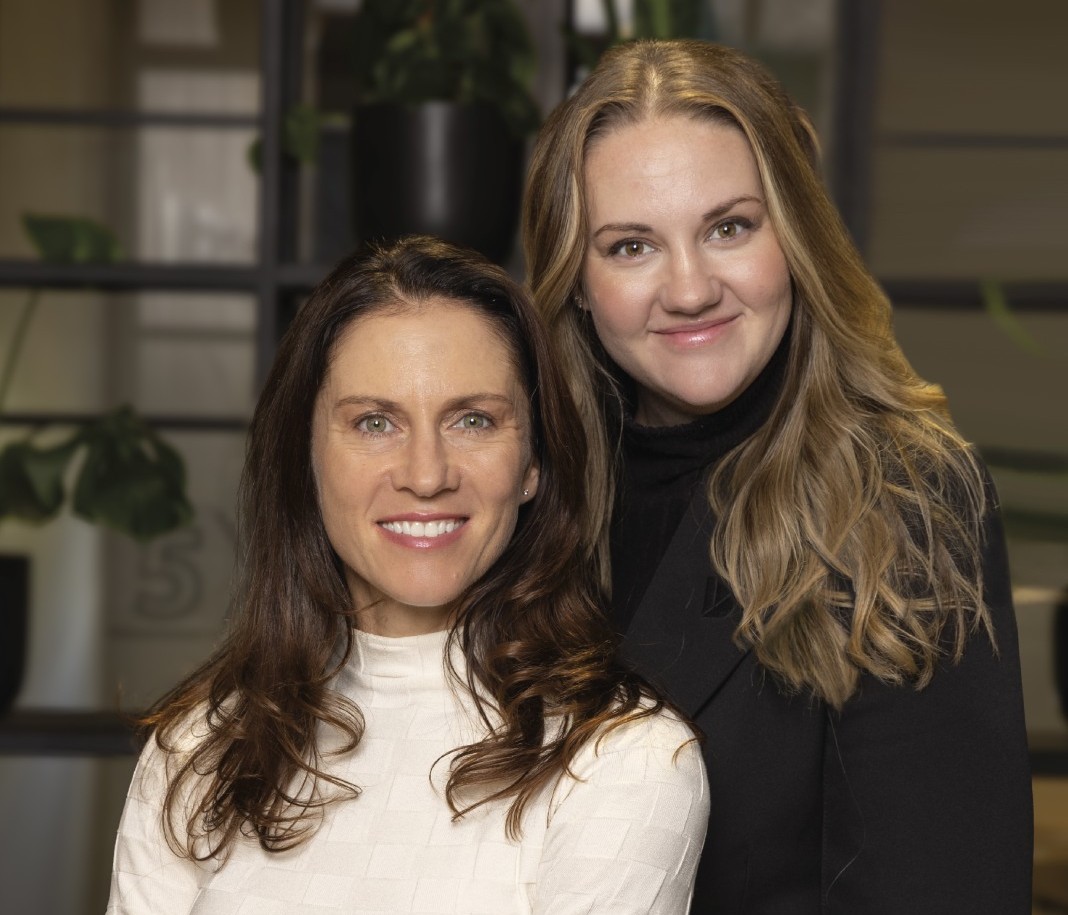
Commspace and Brokerspace are part of the Headspace Technologies Group. Commspace offers specialised commission management and revenue analytics for Financial Advisers in the Life, Investment, Health, Short Term and Employee Benefits sectors. Brokerspace connects advisers with best-fit buyers and partners, giving them more options and more control.
The financial advice profession is changing quickly. Why is this creating urgency for advisers who have spent decades building their practices?
Glenda Labuschagne, MD, Brokerspace: The environment around advisers is changing faster than many realise. Regulation, technology, consolidation and client expectations are all evolving at pace, which means standing still is no longer a neutral position. What we often see through our work at Brokerspace is that when advisers delay thinking about their next phase, their options gradually narrow – not overnight, but subtly.
Taking the time to understand where you stand creates breathing room. It allows advisers to consider opportunities with confidence and move forward in a way that aligns with both personal goals and the long-term continuity of their practices.
Martha, why do advisers find it so difficult to get a clear view of their own businesses?
Martha Koekemoer, MD, Commspace: Advisers are deeply immersed in their businesses. They’re serving clients, managing teams and making daily decisions, which leaves little space to step back objectively. Information exists, but it’s often fragmented across systems that weren’t designed to tell a single story. Commspace helps bring that information together in a clear, accessible way, allowing advisers to see their businesses as they really are rather than relying on assumptions.

How does that sense of clarity change the way advisers think about the future?
Koekemoer: It changes the tone of the conversation completely. Instead of uncertainty, there’s perspective. Advisers move from asking whether they’re ready to asking what might be possible. Clarity doesn’t force action, but it builds confidence. It allows advisers to identify patterns, strengths and priorities that may not have been obvious before, and that understanding becomes a powerful foundation for any future decision.
Once advisers have that clearer view, where do they typically get stuck?
Labuschagne: Advisers often struggle to interpret what their business information is telling them and to identify partners that are genuinely suited to their situation. Having access to clear information – often surfaced through platforms such as Commspace – is an important first step, but it does not always show what to do next.
Advisers need help understanding what they are seeing in the context of their next phase and recognising what types of partnership options might realistically fit. Many assume there are only one or two routes forward or limited ways these arrangements can be structured, simply because that’s all they’ve ever been exposed to. What Brokerspace does is bring those pieces together, helping advisers make sense of their information while broadening the range of potential partners available to them. When advisers can clearly see both their position and their options, decisions feel far less daunting.
Why is having multiple options so important when advisers are thinking about succession or selling?
Labuschagne: Because it restores control. When advisers only see one route forward, the process can feel intimidating, final and one-sided. Often the differences between options are subtle – flexibility, pace of transition or cultural alignment – but those details matter. Having visibility over those nuances allows advisers to choose what feels right for them and their clients, which can prove invaluable when navigating a transition that ultimately affects long-term value retention.
How does technology change the ways that advisers approach these various decisions?

Johan Vosloo, CEO, Headspace Technologies: Technology is moving beyond record-keeping into decision support. Systems are increasingly able to highlight trends, risks and opportunities earlier, giving advisers more time to think and plan. As AI becomes more embedded, it will help advisers make sense of complexity more quickly and consistently, supporting better decisions without replacing human judgement.
Some advisers worry technology may distance them from clients. Is that a fair concern?
Vosloo: When used properly, technology does the opposite. It removes noise and administrative burden, freeing advisers to focus on relationships, leadership and strategic thinking. The goal isn’t to automate advice, but to support advisers with clearer insight so they can spend more time doing what only humans can do.
Finally, if an adviser is sensing it might be time to think differently about the future, what should they do first?
Koekemoer: Create the space to step back and look at your business as it is today. When information is simplified and brought together, uncertainty gives way to clarity. You don’t need perfect answers – just a clear enough picture to start asking better questions.
Labuschagne: Once that clarity exists, don’t rush the decision. Take time to understand what options may be available and what feels right for you. Knowing there is more than one possible path keeps control with the adviser and leads to more intentional outcomes.
Vosloo: Stay curious about how systems and technology can support that thinking. The right tools surface insights earlier, allowing advisers to plan proactively rather than react when change becomes urgent.