What inspired you to become a financial planner?
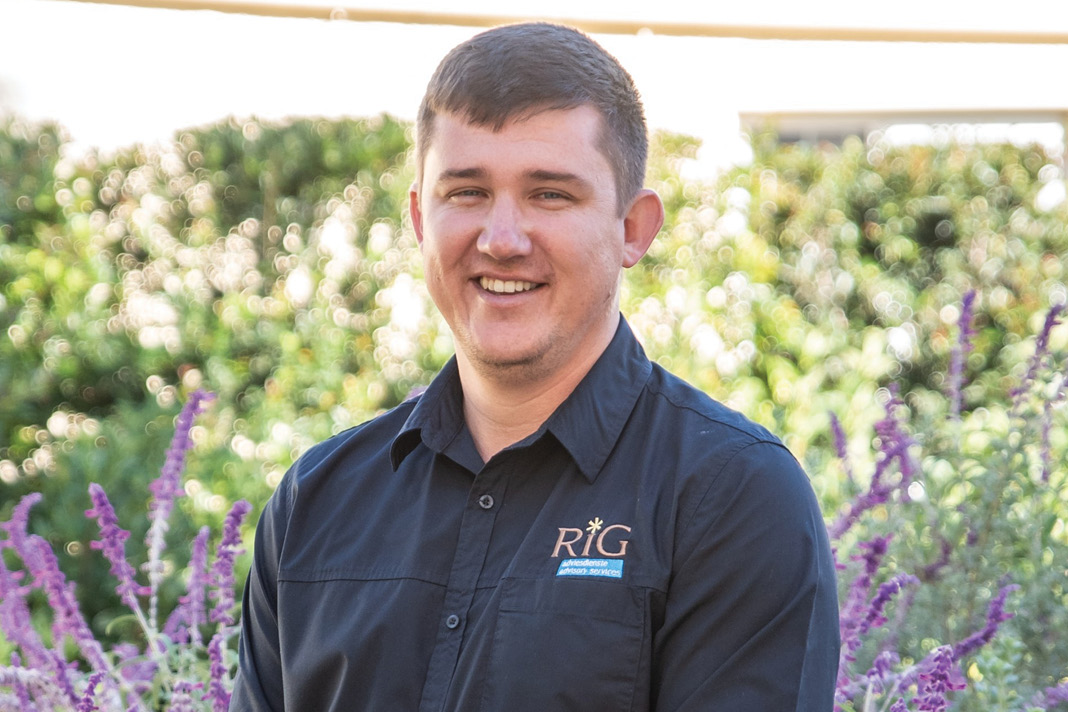
My path into this profession started in the numbers rather than in sales — I spent three years working as an accountant before moving across into financial planning, where I’ve now been advising clients for 14 years. RiG itself was started by Willem Lategan and Neels Grobbelaar, and both became far more than mentors to me — more like family.
Willem passed away in February 2025, and I now co-own the practice alongside Neels. We still run it the way they built it, not because we’re blood relatives, but because of the reason RiG exists in the first place: not just to build wealth for clients, but to invest for a lasting legacy. That’s what drew me in, and it’s what has kept me here.
What prompts clients to come to you? Do you have a niche or distinctive value offering?
Our focus is on clients who need help with investments and financial structuring — we work across the full spectrum from young professionals building their wealth through to the established wealth market, with a specific specialisation in business owners and the transfer of wealth between generations.
That specialisation is also personal: what RiG went through with Willem’s passing and my stepping into co-ownership alongside Neels taught us firsthand how valuable real mentorship and properly preparing the next person is, and just how much that kind of planning matters. It’s the same lesson we bring into every wealth transfer conversation we have with clients.
What do you believe is the most important thing you do for clients?
Translate complexity into a plan people can actually act on, and then hold them to it when markets or emotions try to knock them off course. Anyone can build a spreadsheet; the real value is in the ongoing relationship — being the calm, informed voice a client can call before they make a decision they’d otherwise regret.
What are the biggest mistakes that you see clients make?
Leaving a will, beneficiary nominations, or a business succession plan out of date for years after their life has clearly moved on. Close behind that: making emotional, short-term decisions with long-term money — bailing out of an investment strategy during a downturn, or lending/gifting large sums to family without any plan for the knock-on effect on their own retirement.
How do you charge for your services?
We believe in the professionalism of this occupation, which means being paid properly for the work rather than being remunerated indirectly through product commission. In practice that means two things: an hourly fee for the time spent on the planning itself, and — because our main focus is investment management — an annual fee based on assets under management for the ongoing management of a client’s portfolio.
We don’t charge upfront fees; the planning work is billed for the time it actually takes, not as a percentage taken off the table on day one.
How do you utilise social media as a financial planner?
RiG maintains an active presence on LinkedIn, Facebook and YouTube, mostly to share plain-language education — market commentary, regulatory changes that affect clients, and reminders around key deadlines like tax year-end. I see it as a trust-building tool rather than a lead-generation one: it keeps us visible and useful between the meetings that actually move a client’s plan forward.
What do you enjoy most about being a financial planner?
For me it comes down to purpose. I believe I’m meant to be used where I can do the most good with the talents I’ve been given, and this profession gives me a direct, practical way to do that — helping a family actually get to where they’re trying to go, rather than just managing numbers on their behalf.
What are the biggest challenges you face as a financial planner?
As the practice has grown, the biggest challenge has been making sure every client gets the same energy and effort, regardless of how long we’ve worked with them or the size of their portfolio. What keeps that standard consistent is that our motivation isn’t only the reward we earn here and now — there’s a bigger purpose behind the work, and that’s what carries it across every client relationship.
What is the biggest change you have seen in financial planning during your career?
The biggest shift I’ve seen across my 14 years as an advisor is the move away from commission-driven product sales toward transparent, fee-based advice. When I started out, a large share of remuneration in this industry was tied to which product got sold; today the profession — and increasingly its regulation — expects clients to know exactly what they’re paying and why, whether that’s an hourly planning fee or an annual fee for managing their investments. RiG’s own fee structure, and our pursuit of FPI-approved Professional Practice status, is really part of that broader shift.
What’s your one wish for the future of the financial planning profession?
That independent, fee-based advice becomes the norm rather than the exception — and that good planning becomes accessible to more South Africans, not just those who already have significant assets. The profession does its best work when the advice in the room has no product agenda attached to it.
Can you share how your independent status benefits your clients and gives you an advantage in the market?
Being independent means we have no in-house products, no sales targets from a product provider, and no incentive to steer a client toward one solution over another. RiG’s recent FPI-approved Professional Practice status formalises what we’ve always tried to do: give advice that’s genuinely whole-of-market and answerable only to the client. For clients, that means the recommendation in front of them was chosen because it fits their plan — not because it fits our balance sheet.
Anything else you would like to share with our readers?
Only that the practices that will still be trusted in 10 years’ time are the ones investing in professional accreditation and independence now — RiG’s FPI Professional Practice recognition this year was hard-earned, and it’s a signal we’d encourage other readers to look for when choosing an adviser.
On a personal note, outside the office the reward that matters most to me is time with my wife and our three boys, and I make time for sport where I can — a round at St Andrews and watching the Masters at Augusta in person are both still firmly on my bucket list.