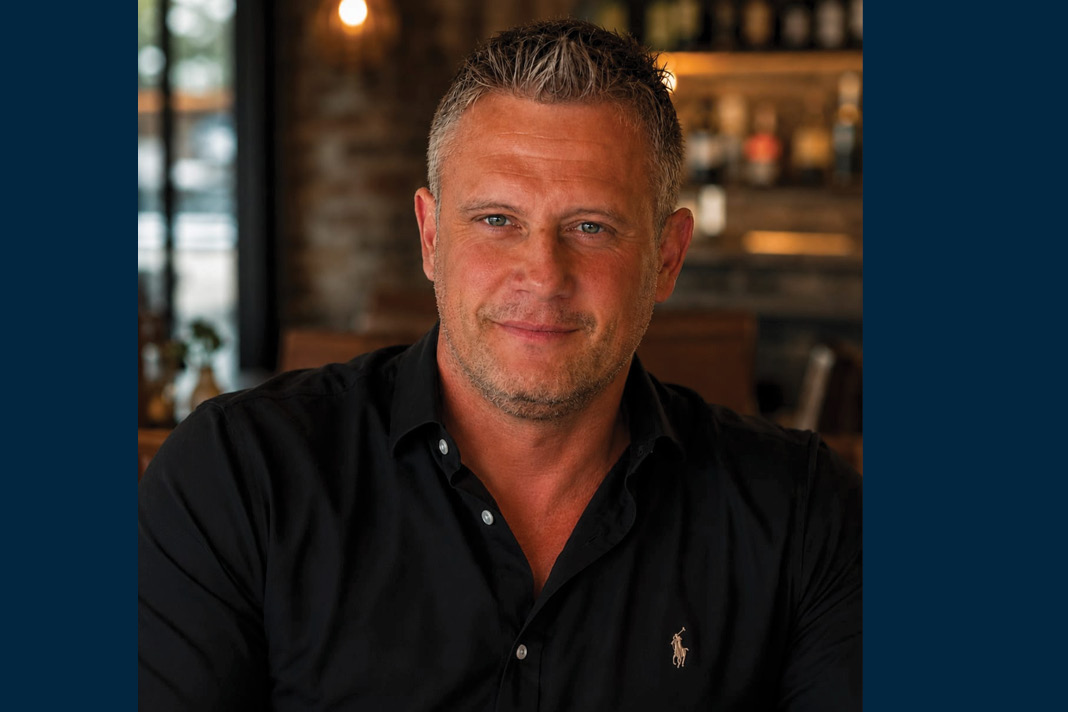
What inspired you to become a financial planner?
My journey into financial planning wasn’t inspired by markets or investments, it was inspired by witnessing the consequences of not having proper financial advice.
My family owned a business for over 20 years but, like many businesses, it did not survive the COVID-19 pandemic. Watching my father navigate that difficult period made me realise how different the outcome could have been with the right planning and guidance in place.
That experience changed my perspective entirely. I realised financial planning isn’t about selling products; it’s about helping people prepare for life’s uncertainties before they become crises.
I began my career with another financial services provider before joining Old Mutual, where I found an environment that aligned with my values. Every day since has reinforced that I chose the right profession.
What prompts clients to come to you? Do you have a niche or distinctive value offering?
Clients generally come to me because they want clarity rather than complexity. While I work with a broad range of clients, I have also developed significant experience in retirement planning, particularly assisting Government Employees Pension Fund (GEPF) members approaching retirement. My philosophy is simple: financial advice should be understandable.
If a client leaves my office more confused than when they arrived then I haven’t done my job. I pride myself on translating complex financial concepts into practical conversations that allow clients to make confident decisions. Many of my new clients also come through referrals, which I consider the greatest compliment a financial planner can receive.
What do you believe is the most important thing you do for clients?
I believe my greatest responsibility is creating certainty in an uncertain world.
Life will always contain unexpected events; death, disability, illness, retrenchment or economic uncertainty. My role is to ensure that, when those moments arrive, my clients have one less thing to worry about. Financial planning is not about predicting the future. It’s about preparing for it.
What are the biggest mistakes that you see clients make?
The biggest mistake is believing there will always be more time. People postpone writing their wills. They delay taking out life or disability cover. They put retirement planning off until “next year”. I’ve unfortunately seen the consequences when tomorrow never comes. The greatest financial risk isn’t market volatility: it’s procrastination.
How do you charge for your services?
Transparency is essential. Clients should always understand how I am remunerated and why a recommendation is being made. I’ve always believed in building long-term relationships rather than focusing on short-term transactions. My success is directly linked to my clients’ long-term financial success, which naturally aligns our interests. Trust is difficult to earn and easy to lose. Transparency protects that trust.
How do you utilise social media as a financial planner? What role does technology play in your practice?
Technology has transformed financial planning for the better. It enables faster analysis, improves efficiency and allows advisers to spend more time with clients rather than administration. Artificial intelligence, in particular, has tremendous potential to enhance research and improve client service. However, technology should never replace professional judgement. It cannot replace empathy during a difficult claims process, calm a client during market volatility, or help a grieving family navigate financial decisions after losing a loved one. Technology should enhance human advice – not replace it.
How do you utilise social media as a financial planner?
I view social media primarily as an educational platform. Financial planning shouldn’t only begin when someone walks into my office. Through social media I aim to simplify financial concepts, challenge common misconceptions and encourage people to start important financial conversations earlier. If someone learns something valuable before they ever become a client then I’ve already achieved something worthwhile.
What do you enjoy most about being a financial planner?
The greatest reward is knowing that advice given years earlier can completely change how a family experiences one of life’s most difficult moments. I’ve seen widows who were able to focus on healing instead of worrying about finances because proper planning had already been done.
I’ve seen clients who became permanently disabled but were still able to support their families because they had income protection in place. Those moments remind me that financial planning isn’t about money – it’s about people.
What are the biggest challenges you face as a financial planner?
The greatest challenge is not convincing people that financial planning has value – it’s convincing them that it has value today. Human nature encourages us to postpone uncomfortable conversations about retirement, disability and death. Unfortunately, financial planning rewards those who act before they need it. Helping clients overcome procrastination is one of the most important – and challenging – parts of my role.
What is the biggest change you have seen in financial planning during your career?
Financial planning has evolved from being product-focused to being advice-focused. Today’s clients expect more than investment recommendations. They want comprehensive guidance that considers retirement planning, estate planning, tax efficiency, behavioural coaching, risk management and legacy planning. I believe this evolution has strengthened our profession and reinforced the importance of trusted professional advice.
What’s your one wish for the future of the financial planning profession?
I hope society continues to recognise financial planning as a true profession, one built on trust, ethics and lifelong relationships. The best financial planners don’t simply help clients accumulate wealth. They help people make better decisions, protect their families, preserve their dignity during difficult times and leave meaningful legacies. If our profession continues to be measured not by products sold but, rather, by lives improved, then I believe its future is incredibly bright.
Can you share for us what the experience of working in Upington has had on you?
One aspect that has shaped me as a financial planner in Upington is that financial advice here is deeply personal.
Unlike in larger metropolitan areas, clients aren’t just names on a calendar. You meet them at the local rugby field, greet them in the supermarket or bump into them while filling up at the petrol station… or scream alongside them for our kids next to the rugby or cricket fields. That means trust isn’t built in the boardroom, it is earned every day through your reputation and the way you treat people.
I often joke that I’m a “Kalahari child” but there’s a great deal of truth behind the humour. Growing up and building my career in this part of the country has taught me that people value authenticity above almost everything else. They don’t expect you to have all the answers, but they do expect honesty, consistency and someone who genuinely cares about their wellbeing. I believe those values have shaped not only the way I advise clients but also the kind of person I strive to be.
Our client base is incredibly diverse. In a single day I may advise a government employee preparing for retirement, a farmer navigating generational succession, a small business owner balancing growth with risk, or a young family taking out their very first life cover. Despite their different circumstances, they all share one common goal: creating financial certainty for the people they love.
Practising in a town like Upington has also reinforced my belief that financial planning isn’t about sophisticated products or impressive presentations: it’s about relationships. In a close-knit community word travels quickly, so every recommendation carries your name long after the paperwork is signed. That’s why I have always believed that whether a client invests R250,000 or R25 million, they deserve exactly the same level of care, respect and professional advice.
Perhaps that’s the greatest lesson the Kalahari has taught me: success in financial planning isn’t measured by the size of the city you work in, but by the impact you have on the lives of the families you serve.
Anything else you would like to add for our readers?
My final thought: People often think my job is to help them grow their wealth. I believe my real job is to make sure that when life doesn’t go according to plan, their finances still do.