The Springbok rugby team’s success since Rassie Erasmus became coach in 2018 is testament to his mantra, “Let the main thing remain the main thing”. In response to many factors influencing the Springboks at the time – poor win-loss ratio, tactical frailties and demands for greater transformation – Erasmus advocated winning as the “main thing”. His remarkable success in winning and achieving significant transformation makes his generation of Springboks arguably the most successful of all time.
Another lesser-known South African sportsman who has been successful by keeping the “main thing” the “main thing” is Paul Sinton-Hewitt, the founder of Parkrun, a free weekly timed 5km run for anyone, be they runners, walkers, old, young or even dogs.
In October 2024, Parkrun celebrated its 20th anniversary, with 10-million registered participants, a weekly average of 300 000 taking part in over 2 000 events across 23 countries. How did Sinton-Hewitt achieve this success?
Having moved to the UK from South Africa when he was 28, a talented runner, he injured himself so badly while training for a marathon that he couldn’t run competitively any more. Sinton-Hewitt documents in his book One Small Step how he went into a mental and emotional decline because he couldn’t run. He missed running but realised he missed the camaraderie and connection with fellow runners more. He organised his first “park run” in 2004, the “Bushy Park Time Trial”, with 13 runners and encouraged runners to go for coffee afterwards and enjoy some connection and community.
The name “Time Trial” did not capture the “main thing” which was that it was for runners of all abilities, and that it wasn’t about the time, but the sense of community that came from participating in the event. At the suggestion of one of his volunteers, and with the help of Nike’s marketing team, he changed the name of the event to Parkrun.
Technology proved to be the backbone of Sinton-Hewitt’s ability to scale the event. He worked in IT, so he had the expertise to build a database and system that enabled the remarkable growth in Parkrun. While technology played a key role in the evolution and success of Parkrun, there was a limit to which Sinton-Hewitt was willing to take it.
Some potential competitors offered similar timed events but with less “hassle”, giving participants a chip that was automatically read at the start and finish. Sinton-Hewitt’s events require teams of volunteers to act as a starter, timers and marshals handing out finishing position tokens and scanning these tokens and the personalised Parkrun identity barcodes every runner has.
Sinton-Hewitt rejected the temptation to automate Parkrun with readable chips. His “main thing” is connection and community, so he limited potential efficiency gains from technology to ensure that the “main thing” remained the “main thing”. The extraordinary global success of Parkrun suggests that his decision was the correct one.
Technology is facilitating efficiencies on a scale unimaginable only a few years ago. So much can now be done without genuine human contact. All this efficiency begs the question, what is the “main thing” for financial planners? Is your client a person or is it their money?
As Pablo Picasso said: “Computers are useless. They can only give you answers.” What answers do your clients really need? And can technology alone equip you to provide them? Or as Paul Sinton-Hewitt decided, there is a need to limit technology to let the “main thing remain the main thing”.
Being skilled and tactically astute at human connection is likely to beat computers as consistently as the Springboks seem to beat every team they play.
|
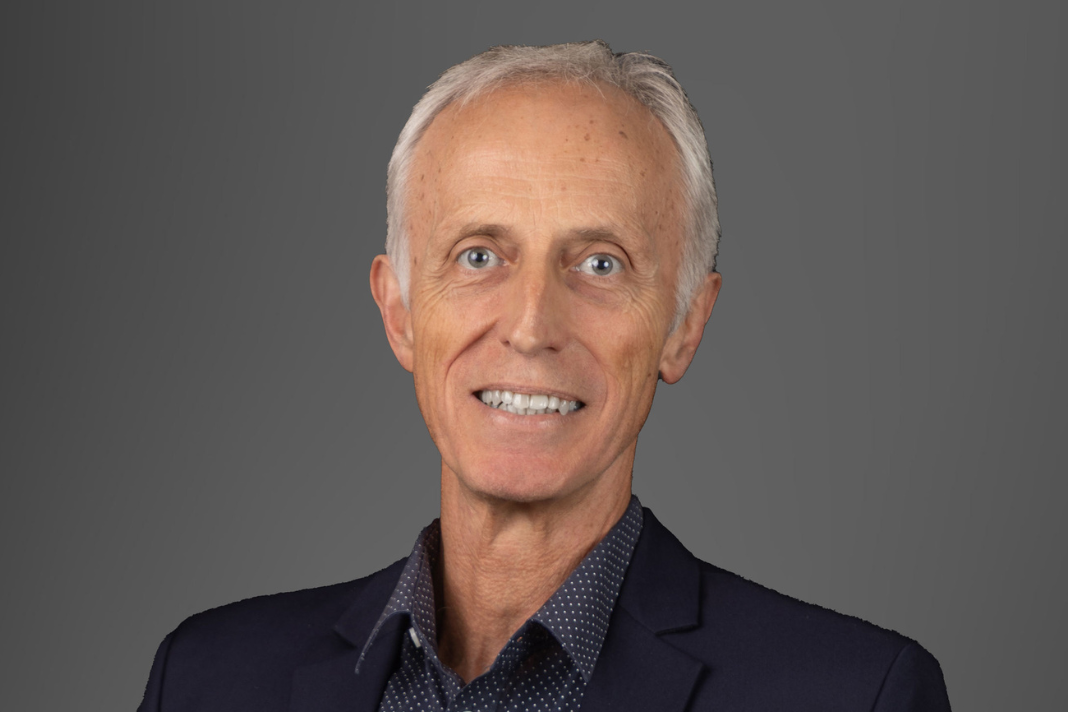
Rob Macdonald He is the author of the book The 7 Pillars of Financial Health and is co-author of Rethinking Leadership. Macdonald has a Master’s degree in Management Studies from Oxford University and is a CFP® Professional. |