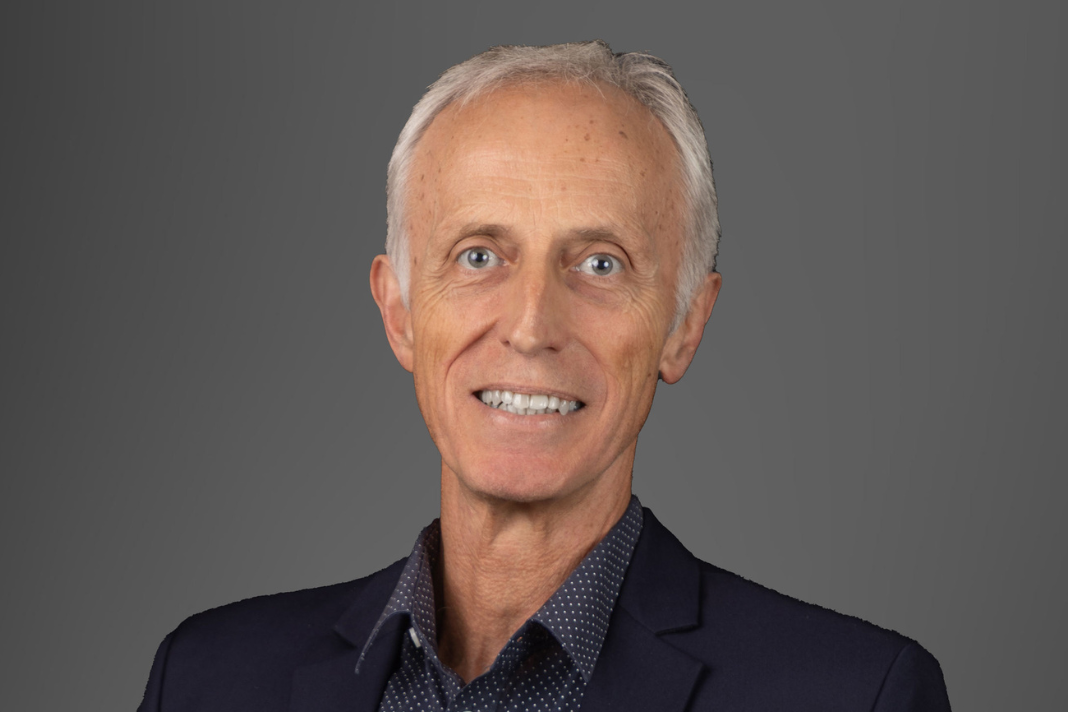
As we reach the milestone of the 100th edition of Blue Chip, I thought it appropriate to reflect on the true essence of our profession. It is easy to get caught up in market “noise” and the march of technological advancement and lose sight of the essence of our work.
The central truth remains simple: a financial planner’s client is not their money, but a person.
Looking forward to the 200th edition of Blue Chip 25 years from now, the financial planning landscape will be unrecognisable. The forms that money and wealth take are likely to have shifted into digital constructs we cannot yet fathom.
Despite advancements in integrating technology and people, it is almost certain that those seeking guidance from a financial planner will still be human. The core requirement of a financial planner, remembering that the person is the client, is our most vital professional safeguard in a world influenced by AI.
This tension between technological efficiency and human reality was addressed in the Pope’s recent Encyclical Letter, “On Safeguarding the Person in the Time of Artificial Intelligence”. It provides insights that I believe resonate far beyond the Catholic Church. Two passages could serve as a manifesto for the modern financial planner:
239. “Let us cultivate relationships! In an era that favours speed and fragmentation, the human person still yearns to receive care and recognition from attentive minds, kind words and hands capable of tenderness. The digital culture multiplies connections… yet, the human heart retains an irrevocable need for genuine closeness.”
128. “… a technology that merely classifies and optimises what already exists can, however unintentionally, become an obstacle to change and growth. For an algorithm, an error is a flaw to be corrected; for a person, however, an error can be a catalyst for profound change.”
These passages crystallise the difference between a technical expert and a true people expert. AI optimises a portfolio, classifies a risk profile and calculates a lifetime cashflow with unparalleled speed. It focuses on getting the “right” answer.
For us humans, making a mistake is part of our journey. Will we evolve as a human if we don’t get things wrong? The emotional weight of having a dilemma is something AI will never experience. And we have dilemmas because to be human is to be a flawed decision-maker. As António Damásio points out in Descartes’ Error, we are emotional creatures who try to think.
We are deeply influenced by emotion, cognitive bias and social pressure play their part too, making decision-making a perilous pursuit. While much has been made of “survival of the fittest“, our success as a species owes far more to collaboration than competition. We survive better together.
Our own philosophy of Ubuntu, “I am only who I am through you“ suggests we are only as effective as the depth of the relationships we build and our ability to collaborate. If we continually strive to get the “right” answers for our clients, quickly, we ignore the very thing that makes them human: their ability to grow through their “errors”.
There is little doubt that in the coming decades, the technical side of financial planning will become increasingly commoditised by algorithms. The value financial planners provide will be found in the ability to offer the “kind words and attentive minds” the Encyclical speaks of.
Let us ensure that as we move through the next 100 editions, we remain anchored in the belief that while tools may change, the need for human connection is immutable. Our task is to care for the person.
About ROB MACDONALD | Rob Macdonald has held several senior positions in the investment industry. He is an independent consultant and coach who also develops and facilitates training programmes in behavioural coaching and practice management. Before joining the financial services industry, Macdonald was MBA director at the UCT Graduate School of Business. He is the author of the book The 7 Pillars of Financial Health and is co-author of the books Rethinking Leadership and Frontiers in Financial Psychology. Macdonald has a Master’s degree in Management Studies from Oxford University and is a CFP® Professional.